Introduction
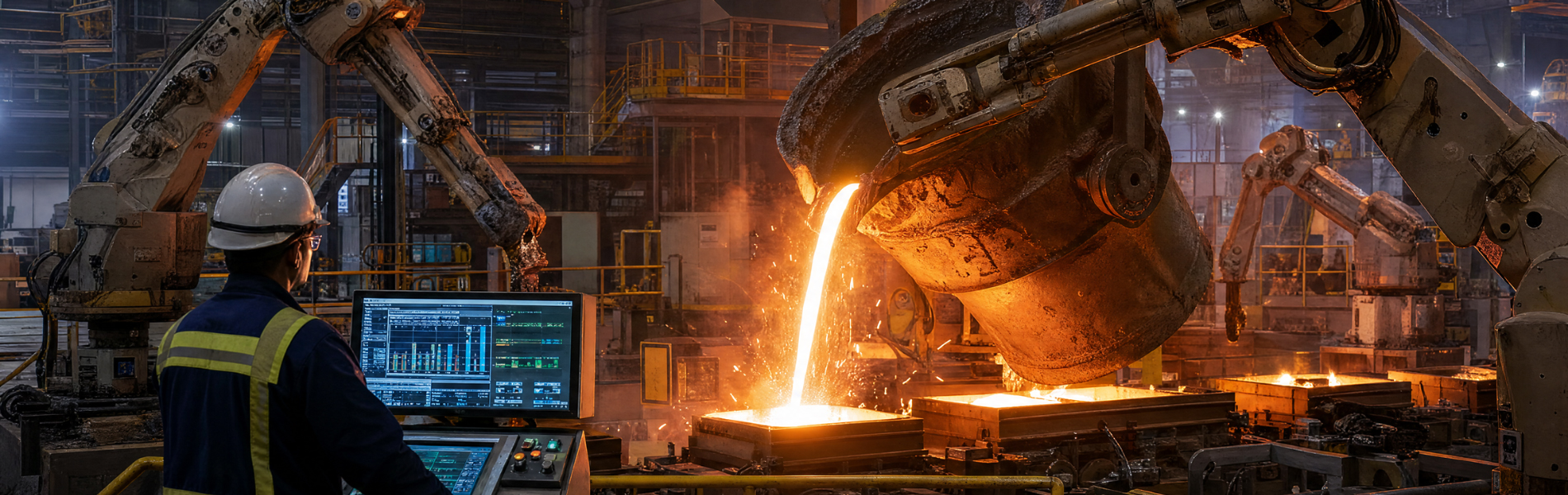
In today’s competitive automotive market, a strong Supply Chain is no longer just a backend operation, it is the foundation of profitability, customer satisfaction, and operational efficiency. From sourcing raw materials to delivering finished vehicle components, every stage in the process directly affects cost, quality, and speed. For shop owners, manufacturers, and procurement teams, understanding how the supply chain works can make the difference between steady growth and costly disruptions.
Many businesses search for insights on Supply Chain management because they want to improve production timelines, reduce waste, and maintain consistent product quality. This article explains why supply chain efficiency matters so much in the automotive sector and how companies involved in precision engineering, such as Shalimar Precision, contribute to smoother and more reliable manufacturing ecosystems.
Understanding the Role of Supply Chain in Automotive Manufacturing
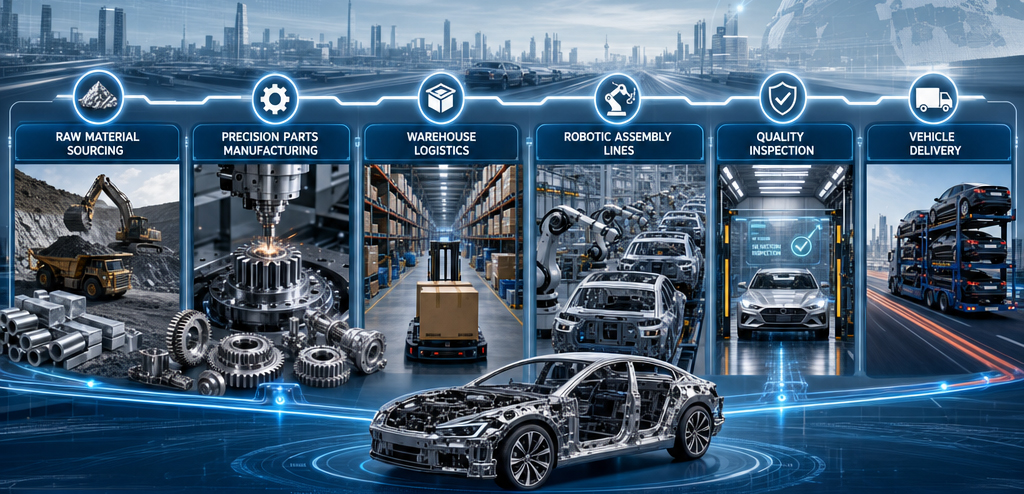
The automotive industry depends on an interconnected network of suppliers, manufacturers, logistics providers, and distributors. This network forms the Automotive supply chain, where even a small delay in one area can impact the entire production schedule.
In the modern Automotive manufacturing process , manufacturers rely on precision, timing, and coordination. Components often arrive from multiple suppliers across different regions, and production lines are designed to operate with minimal downtime. A well-managed supply chain ensures that materials arrive on time, inventory levels stay balanced, and production targets are met without unnecessary delays.
For automotive shop owners and industrial buyers, supply chain efficiency means more predictable operations and fewer disruptions that could affect customer commitments.
Supply Chain and Cost Reduction in Automotive Industry
One of the biggest reasons businesses focus on Supply Chain optimization is cost control. Rising material costs, transportation expenses, and production inefficiencies can quickly reduce profit margins.
A streamlined supply chain supports Cost reduction in automotive industry by helping businesses:
- Reduce excess inventory storage
- Avoid production downtime
- Minimize transportation inefficiencies
- Improve forecasting accuracy
- Lower material waste
For example, manufacturers that work closely with reliable suppliers can negotiate better pricing and maintain steady production schedules. Precision component providers also play an important role by delivering high-quality parts consistently, reducing the risk of expensive rework or product failures.
Companies involved in industrial engineering and precision manufacturing understand that reducing operational waste begins with dependable sourcing and supply coordination.
Why Speed Matters in the Vehicle Production Supply Chain
In the automotive sector, speed directly affects customer satisfaction and market competitiveness. Delays in the Vehicle production supply chain can postpone product launches, disrupt dealership deliveries, and increase operational costs.
Modern consumers expect shorter waiting periods and faster availability of vehicles and spare parts. To meet these expectations, manufacturers must ensure smooth coordination between suppliers, warehouses, and assembly facilities.
An efficient supply chain improves speed by:
- Enhancing communication between suppliers and manufacturers
- Using data-driven demand forecasting
- Implementing faster logistics solutions
- Reducing bottlenecks during production
Businesses that invest in agile supply chain systems can respond more effectively to market changes and customer demands. This flexibility has become especially important in recent years as global disruptions have exposed vulnerabilities in manufacturing networks worldwide.
The Connection Between Supply Chain and Product Quality
Quality is one of the most critical aspects of automotive manufacturing. Even a minor defect in a single component can affect safety, performance, and brand reputation. That is why Supplier quality management is a key part of any successful supply chain strategy.
Reliable suppliers contribute to consistent manufacturing standards by ensuring that every component meets required specifications. Strong supplier relationships also improve accountability, communication, and long-term operational stability.
In the automotive industry, quality-focused supply chain management includes:
- Strict quality inspections
- Supplier performance evaluations
- Traceability of materials and components
- Continuous improvement practices
Manufacturers that prioritize quality across the supply chain are better positioned to reduce recalls, maintain customer trust, and achieve long-term profitability.
Technology Is Transforming Supply Chain Management
Digital transformation has significantly improved how automotive companies manage supply chains. Technologies such as automation, artificial intelligence, and real-time analytics now help manufacturers track inventory, monitor supplier performance, and predict disruptions before they occur.
Smart manufacturing systems also support better decision-making by providing visibility across the entire production network. Businesses can identify inefficiencies faster and improve coordination between departments and suppliers.
Precision-driven companies in the engineering sector increasingly rely on these technologies to maintain accuracy, consistency, and production reliability in highly competitive markets.
Building Long-Term Business Stability Through Supply Chain Efficiency
A resilient Supply Chain creates long-term advantages beyond cost savings and faster production. It helps businesses strengthen supplier partnerships, improve operational planning, and maintain stability during uncertain market conditions.
For automotive businesses, success depends on balancing speed, quality, and cost without compromising customer expectations. Whether managing procurement, manufacturing, or distribution, every stage of the supply chain contributes to overall business performance.
As the automotive sector continues to evolve, companies that invest in smarter supply chain strategies will be better prepared for future challenges and opportunities. From precision component manufacturers to large-scale production facilities, supply chain efficiency remains one of the most powerful drivers of sustainable growth.