India vs China Auto Parts: Pros, Cons, and Key Differences Explained
Explore the key differences between India vs China auto parts, including quality, pricing, supply chain, and reliability. A complete guide for shop owners and buyers.

Introduction
In today’s global automotive market, sourcing the right components can make or break a business. The debate around India vs China Auto Parts has become increasingly relevant as shop owners, importers, and manufacturers seek the perfect balance between cost, quality, and reliability. With supply chains evolving and customer expectations rising, choosing the right sourcing destination is no longer just about price it’s about long-term value.
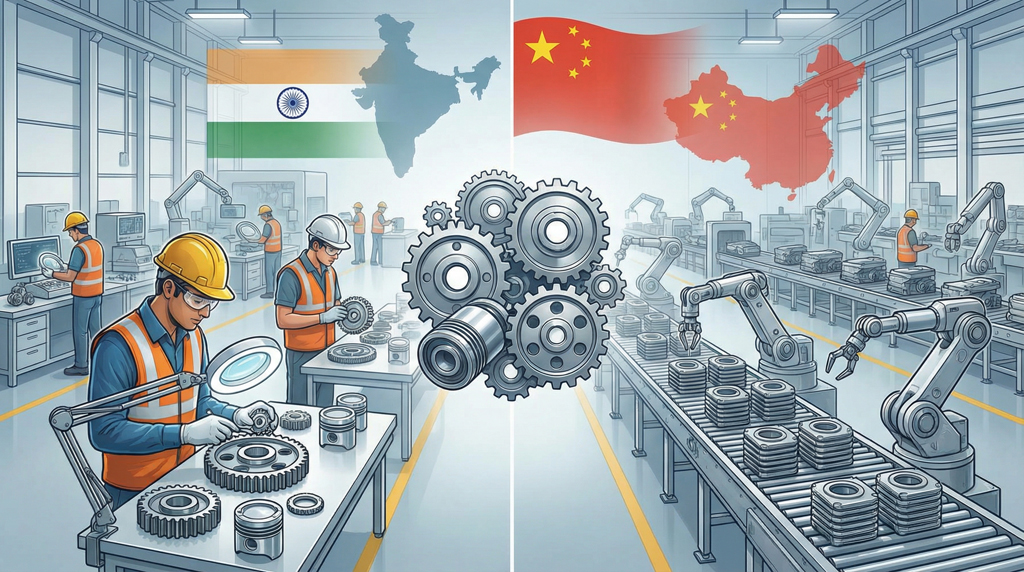
Many shop owners actively search for India vs China Auto Parts to understand which market aligns best with their needs. Whether it's ensuring consistent quality, minimizing returns, or maintaining competitive pricing, this comparison helps decision-makers make informed choices. This article breaks down the pros, cons, and key differences to guide buyers toward smarter sourcing strategies.
Why Compare India vs China Auto Parts?
The global auto parts industry is dominated by two major players: India and China. Both countries have built strong reputations as manufacturing hubs, but they differ significantly in approach, specialization, and market perception.
Shop owners often compare India vs China Auto Parts to answer critical questions:
- Which country offers better durability?
- Where can I get the best pricing without compromising quality?
- Which suppliers are more reliable in the long run?
Understanding these differences helps businesses avoid costly mistakes and build sustainable supply chains.
India vs China Auto Parts: Quality Comparison
One of the most significant factors in this debate is quality.
India has earned a reputation for producing high-quality auto components that meet stringent global standards. Many Indian manufacturers focus on precision engineering, often supplying parts to OEMs (Original Equipment Manufacturers). Companies like Shalimar Precision Enterprises LLP., for example, reflect the growing emphasis on consistency and craftsmanship within India’s auto component sector.
China on the other hand, offers a wide spectrum of quality. While there are top-tier manufacturers producing excellent components, the market also includes lower-grade products. This variability means buyers must carefully vet suppliers to ensure consistent quality.
Key takeaway:
- India: More consistent quality, especially for precision parts
- China: Wider range, but quality can vary significantly
India vs China Auto Parts: Pricing and Cost Efficiency
When it comes to pricing, China often has the upper hand.
China’s advantages:
- Large-scale production capabilities
- Lower manufacturing costs due to economies of scale
- Highly competitive pricing for bulk orders
India’s position:
- Slightly higher prices in some categories
- Better value for money in terms of durability and lifespan
For shop owners, the choice between India vs China Auto Parts often depends on whether they prioritize upfront savings or long-term reliability. Lower-cost parts may reduce initial expenses but could lead to higher replacement rates over time.
Supply Chain and Reliability
Supply chain efficiency has become a critical factor, especially after recent global disruptions.
China :
- Highly developed logistics and export infrastructure
- Faster production turnaround times
- Strong global shipping networks
However, geopolitical tensions and regulatory changes can sometimes create uncertainties.
India :
- Rapidly improving infrastructure
- Increasing government support for manufacturing
- More stable and transparent business practices in many cases
Indian suppliers are increasingly seen as reliable partners for long-term collaborations, particularly for businesses looking to diversify away from overdependence on a single country.
Product Range and Specialization
Another key aspect of India vs China Auto Parts is product diversity.
China excels in:
- Mass-produced components
- Electronics and aftermarket accessories
- High-volume, low-cost items
India specializes in:
- Engine components
- Forged and machined parts
- Precision engineering products
This makes India particularly attractive for buyers who require durability and technical precision, while China is often preferred for bulk and variety.
Compliance and Global Standards
Compliance with international standards is increasingly important for exporters and importers alike.
India:
- Strong adherence to global certifications (ISO, TS standards)
- Focus on OEM-grade manufacturing
- Transparent quality control processes
China:
- Compliance varies widely across manufacturers
- High-end suppliers meet global standards, but lower-tier ones may not
For shop owners, this means extra due diligence is required when sourcing from China, while Indian suppliers often provide more predictable compliance.
Which One Should You Choose?
The decision between India vs China Auto Parts ultimately depends on your business priorities.
- Choose India if you value consistency, quality, and long-term reliability
- Choose China if you need competitive pricing and large-scale supply
Many businesses today adopt a hybrid sourcing strategy leveraging China for cost efficiency and India for critical, high-precision components.
Conclusion
The comparison of India vs China Auto Parts is not about declaring a single winner but understanding which market aligns best with your operational goals. Both countries offer unique advantages, and the right choice depends on factors like budget, quality expectations, and supply chain strategy.
For shop owners and importers, taking the time to evaluate these differences can lead to better purchasing decisions, stronger customer satisfaction, and improved profitability in the long run.